Trusting God When Life Feels Unfair: Encouragement for Women from Hannah’s Story
Amber
January 15, 2026
*This site may contain links to affiliate websites, and we receive an affiliate commission for any purchases made by you on the affiliate website using such links.
This year in our church Ladies’ Bible Study, we have been working through the book Twelve Extraordinary Women by John MacArthur. Recently we studied the story of Hannah in 1 Samuel 1–2, and it became such an encouragement to me. I have known Hannah’s story from the Bible for many years—I probably first heard it as a child in Sunday School. But through this study, I was able to look more deeply at her life and discover fresh lessons about trusting God when life feels unfair.
Hannah’s example offers powerful encouragement for Christian women who are walking through disappointment, heartache, or seasons of waiting. Her story reminds us that even when life feels unfair and overwhelming, we can turn to the Lord in prayer and find hope and peace in Him. My prayer is that the biblical truths I learned from Hannah will encourage your heart as much as they have encouraged mine. If you are currently in a season of waiting, you may also find encouragement in my post 5 Bible Passages for Seasons of Waiting.
Who Was Hannah in the Bible? Setting the Scene
When we meet Hannah in 1 Samuel 1, the first things we are told about her is that she was one of the two wives of Elkanah and that she had no children. Having children was an extremely important part of Israel’s culture at this time. That’s why men practiced polygamy – so they could have a lot of children. Even if Hannah was the only wife, her inability to have children would have been distressing. But couple that with a second wife who has children, and you have a recipe for constant heartache for Hannah, especially since Peninnah provoked (troubled or grieved) her about it. Elkanah also showed favoritism to Hannah (I Sam. 1:5), which did not help things between her and her adversary.
Who was Elkanah, her husband?
Elkanah was a Levite who served in the tabernacle each year at his appointed time. The priest at this time is Eli, and his sons were Hophni and Phinehas. His sons were horrible priests who did all kinds of sinful things like stealing food from the people’s sacrifices and practicing temple prostitution. Eli did not deal with them as he should have, and God’s glory was no longer present in the Tabernacle. It was a time of spiritual darkness for the nation of Israel. This is the backdrop for Hannah’s story.
What do you think Hannah’s emotional state would have been given her personal circumstances as well as those of her nation? As we see in verse 6 of I Samuel 1, her adversary made her fret, defined as being violently agitated or irritated. In verse 8 we read that she was weeping and could not eat. Clearly, she was in great distress emotionally. The spiritual darkness of her nation would have added to her despair.
Biblical Lessons for Women from Hannah’s Life
Lesson 1: Choosing Self-Control in Difficult and Unfair Situations
While Hannah was definitely miserable and in distress, it doesn’t appear that she responded unkindly to her husband or Peninnah. I would have been tempted to respond in kind, and I’m sure Hannah had her moments as well. But although she was sad, it would seem that she did not take out her frustrations on Peninnah or her husband.
I kinda find it ironic when her husband asks her in verse 8, “Am I not better to thee than ten sons?” Polygamy was common, so I assume the women at that time somewhat accepted it as just the way of life. But this doesn’t mean it made for happy homes. It is definitely not how God originally set up marriage. Biblical examples of polygamy are always accompanied by strife and heartache. If I were Hannah, Elkanah’s choice to have another wife who is bearing kids without issue when I can’t have any isn’t exactly warming my heart toward him. I’m sure her the circumstances of her home tested her love for him. Even though Elkanah showed special favor and love for her (I Sam. 1:5), the daily challenge she faced trying to make a home with another woman who constantly provoked her would wear on any woman.
When Elkanah took a second wife, Hannah had to have felt like she was not enough. Dealing with that second wife and her children day in and day out would be a constant reminder that she was lacking. I would have been tempted to think, “If you love me so much, why did you do this to me?” The problems caused by the polygamy and tension in the home had to have placed some amount of stress on their marriage.
Lesson 2: Turning to God in Prayer When Life Feels Unfair
Going back to the question her husband asked her, Scripture doesn’t record any type of response that she gave to her husband. It simply tells us what she did next. But what she does next sends a pretty clear message. Here’s what I mean.
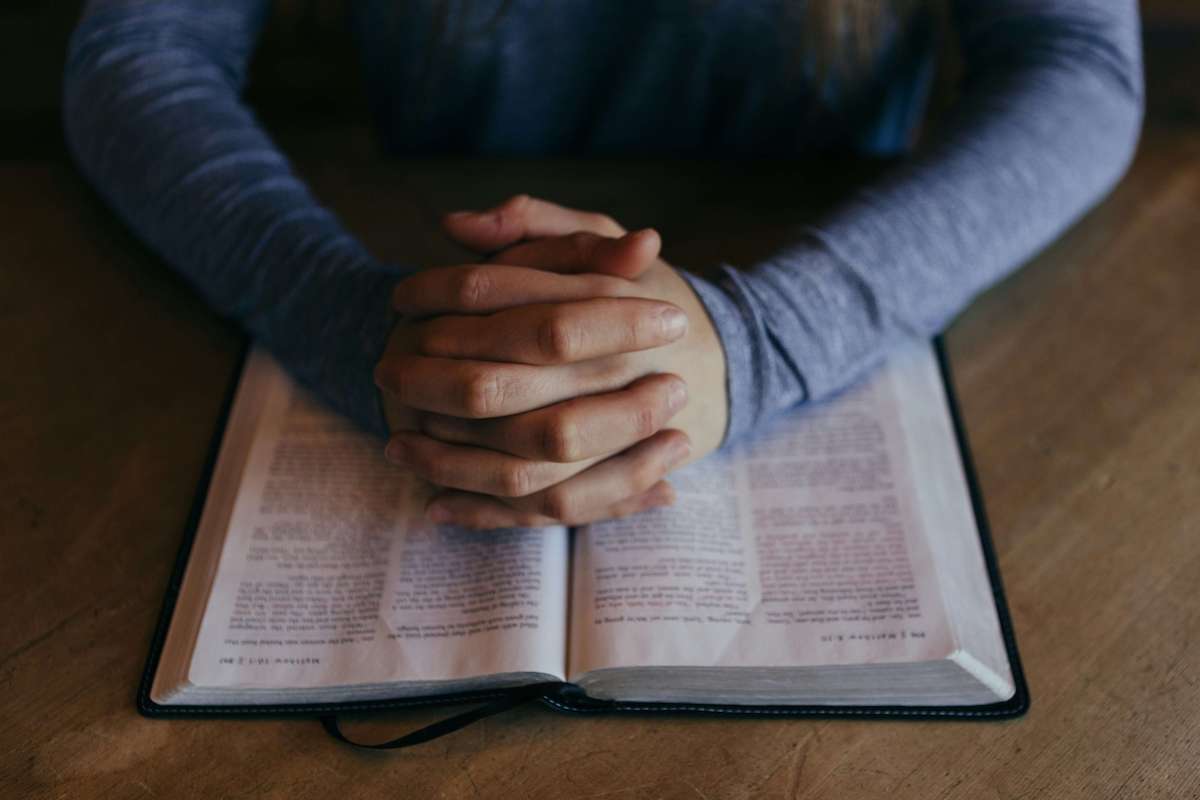
Hannah turned to the only Hope she had Who actually had the power to change her situation. Verse 10 records that she prayed to the Lord in bitterness of soul and wept in anguish. If her husband was actually better to her than ten sons, I frankly don’t think she would have been praying in this way. She also knew there was nothing more Elkanah could do for her childlessness. It is clear that Hannah had a strong relationship with the Lord because of how she prays as well as from the song she sang in chapter 2. I believe her relationship with the Lord is the only way she was able to continue enduring her situation.
As John MacArthur pointed out on page 97 of Twelve Extraordinary Women, “there’s no suggestion that she ever grumbled against God or badgered her husband about her childlessness.” She didn’t turn away from God, but instead she ran to Him in prayer. Sadly, Eli the Priest didn’t recognize her anguish for what it truly was. Instead, he accused her of being drunk when he saw her praying silently. There are definitely things we can learn from Eli and the sad state of his sons, but for now, we’ll just focus on Hannah. Eli did at least give her a blessing of sorts once she explained her situation to him.
Lesson 3: Faithfulness to God Even After the Answer Comes
Let’s look at Hannah’s vow, which had two parts. First, she would give her son in service in the tabernacle for life. Second, he would never cut his hair. Both of these things were normally only done temporarily. She was promising that it would be for his entire life. Why do you think Hannah made this vow? There’s no doubt she was sincere in her prayer and had a strong faith in the Lord. I think that given her circumstances, there was probably a combination of desires. She would have had some longing to silence her adversary, Peninnah, but she also desired to find the fulfillment of being a mother. She did ask in her prayer that God would look on her affliction and remember her. While we really can’t fully know her motivations, I do believe she did want a child to give to the Lord. When God did finally give her a son, she kept her promise.
How God Blessed Hannah’s Faith and Trust
Blessing 1: Finding Peace by Surrendering Our Burdens to God
Learning to surrender our worries to the Lord and find hope amidst suffering is a journey — one I talk more about in my post Finding Hope in the Midst of Trials. Once Hannah gave her situation to God, she chose to leave it with Him. She found a sense of peace. Verse 18 says she left and ate and her countenance was no longer sad. Leaving things with God can be hard to do, but she did it. I know I am pretty good at taking things to God, but then still trying to figure out how to fix them. Then I give it back to Him and start the cycle again. MacArthur stated, “Hannah truly laid her troubles in the lap of the Lord, totally confident that He would answer her in accord for what was best for her.” I pray I can have this same strong faith.
Blessing 2: God Answered Hannah’s Prayer in His Perfect Time
We don’t know how long it was before she became pregnant with Samuel. But after she gave birth to him, Hannah stayed back and didn’t go for the yearly sacrifice until she had weaned him. Women typically nursed a child for about three years at that time. She would have been able to care for him for this long before she fulfilled her vow. Hannah would have had to prepare him for the life she had promised in her vow to God, and she had a short time to do it. She would have taken her role as mother quite seriously. As we see later in the book, God had His hand on Samuel’s life as well. He became a powerful prophet for change for God’s people. Hannah visited him at least yearly and brought him a new coat.
Blessing 3: God’s Abundant Blessings Beyond What Hannah Expected
God gave Hannah five more children. What a relief for her! I’m sure things were not a bed of roses after this because she was still dealing with a second wife in the home. But the ammunition her rival had used against her was now gone. She was no longer childless, and she could be the mother she had always desired to be. Our culture now is very different and does not regard motherhood as highly as it once did. Regardless, motherhood is still a high calling for us as women. Raising children is not an easy job. For Hannah, though, this was the primary goal of any woman at that time, and a shameful thing when it couldn’t happen. Her shame was now finally removed. Her perceived value in that culture was restored. God had blessed her for her faithfulness in keeping her vow with Samuel.
Blessing 4: Renewed Joy and Emotional Healing through Faith
We see this in her praise to God in chapter 2. What a beautiful anthem to God and a wonderful reminder of Who He is and all He can do! We could spend another lesson on these verses alone, but I would encourage you to spend some time reading them and noting all the things we can learn about God from them.
Final Encouragement for Women Walking Through Hard Seasons
Hannah’s story is a powerful reminder for Christian women that we can trust God even when life feels unfair and overwhelming. Her example teaches us to bring our heartaches to the Lord in prayer, to remain faithful in difficult seasons, and to leave our burdens in His hands. Just as God worked in Hannah’s life, He is able to work in ours as well—often in ways we could never imagine.
If you are walking through a hard or uncertain time, I pray that these lessons from Hannah will encourage your heart and strengthen your faith. God sees your struggles, hears your prayers, and cares deeply for you. If you find yourself in a season of waiting, you may also find hope and practical encouragement in my post Three Lessons on Waiting Well. I would love to hear how Hannah’s story has spoken to you, so feel free to share your thoughts in the comments. May the Lord bless and encourage you today!
To provide the best experiences, we use technologies like cookies to store and/or access device information. Consenting to these technologies will allow us to process data such as browsing behavior or unique IDs on this site. Not consenting or withdrawing consent, may adversely affect certain features and functions.
Functional
Always active
The technical storage or access is strictly necessary for the legitimate purpose of enabling the use of a specific service explicitly requested by the subscriber or user, or for the sole purpose of carrying out the transmission of a communication over an electronic communications network.
Preferences
The technical storage or access is necessary for the legitimate purpose of storing preferences that are not requested by the subscriber or user.
Statistics
The technical storage or access that is used exclusively for statistical purposes.The technical storage or access that is used exclusively for anonymous statistical purposes. Without a subpoena, voluntary compliance on the part of your Internet Service Provider, or additional records from a third party, information stored or retrieved for this purpose alone cannot usually be used to identify you.
Marketing
The technical storage or access is required to create user profiles to send advertising, or to track the user on a website or across several websites for similar marketing purposes.